Box break formats explained: pack spots, pick your pack, hit drafts and more
The common box break formats, how each one works, what to watch out for, and which format to start with as a new breaker.
Box breaks6 min read
“Box break” covers several formats. They all split one box between several buyers, but they differ in how buyers get their cards, and that changes how fair the break feels, how long it takes and which rules might apply. Here are the common formats, and when each one suits.
New to breaks? Start with what a box break is.
Pack spots
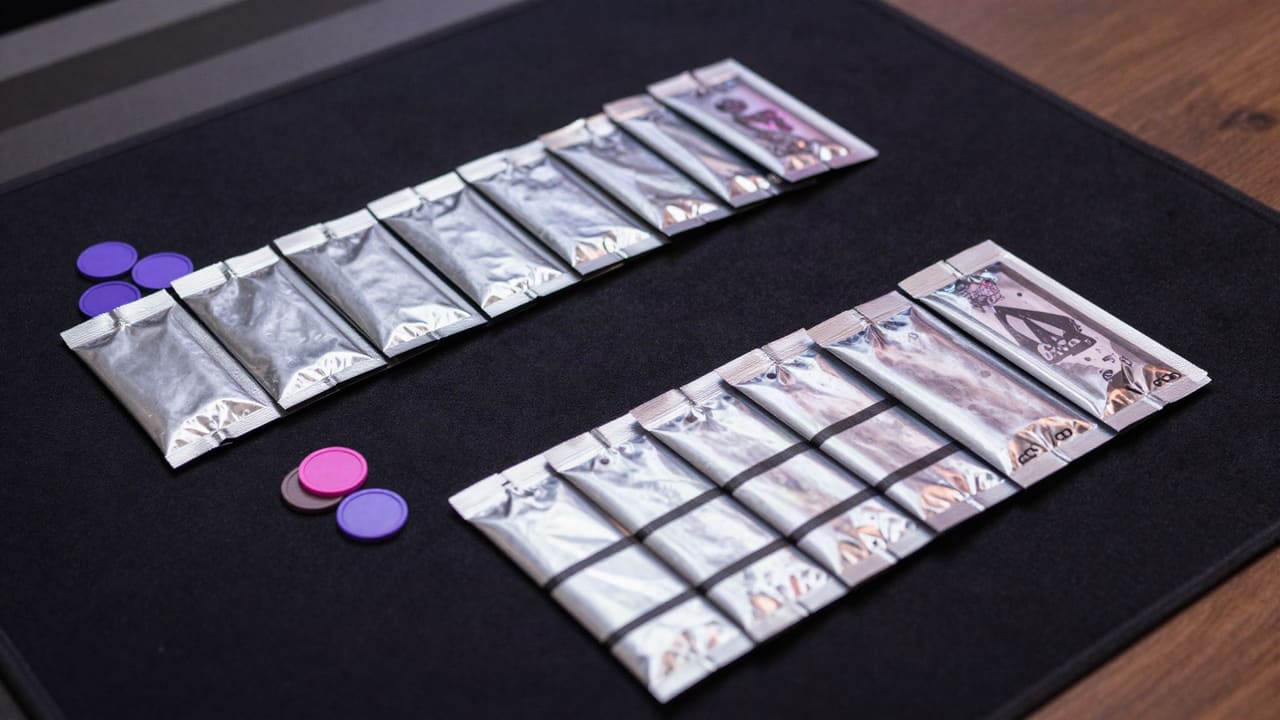
Each spot is a fixed number of packs, opened in a fixed order. The simplest format to explain and to run.
- Good for: any audience, especially new breakers.
- Watch out for: the order of packs. Say how the order is set before selling.
Pick your pack
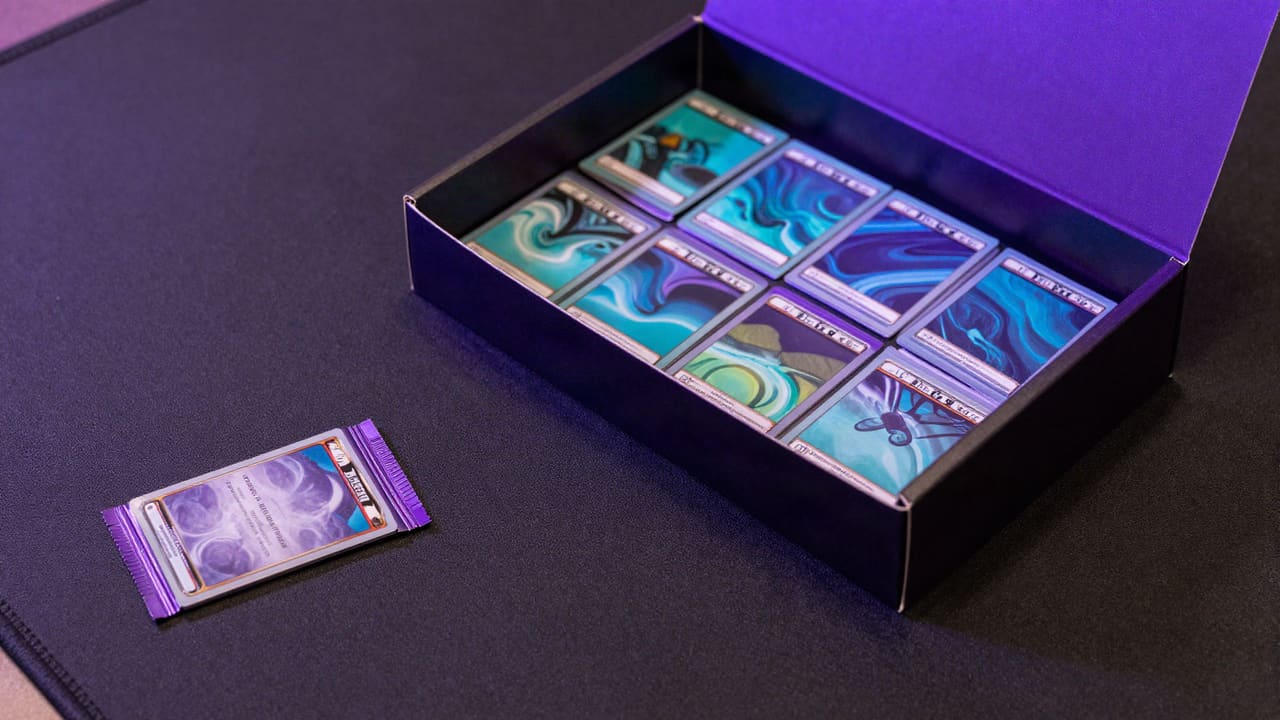
Buyers choose a pack by its position in the box, for example the third pack from the left. It gives buyers a sense of control and a bit of fun.
- Good for: engaged chats who enjoy choosing.
- Watch out for: it takes longer, and the box should be shown untouched before anyone picks.
Random pack draw
Spots are sold first, then each spot is matched to packs at random, often with a randomiser shown on stream.
- Good for: making the order feel neutral.
- Watch out for: random assignment can bring rules about games of chance into play in some places.
Hit draft
The whole box is opened, all the hits are set aside, and buyers take turns choosing hits in a random or set order. Remaining cards are split evenly or kept by the breaker.
- Good for: big boxes where the hits are the point.
- Watch out for: it needs clear rules on what counts as a hit, and on the draft order.
Category spots
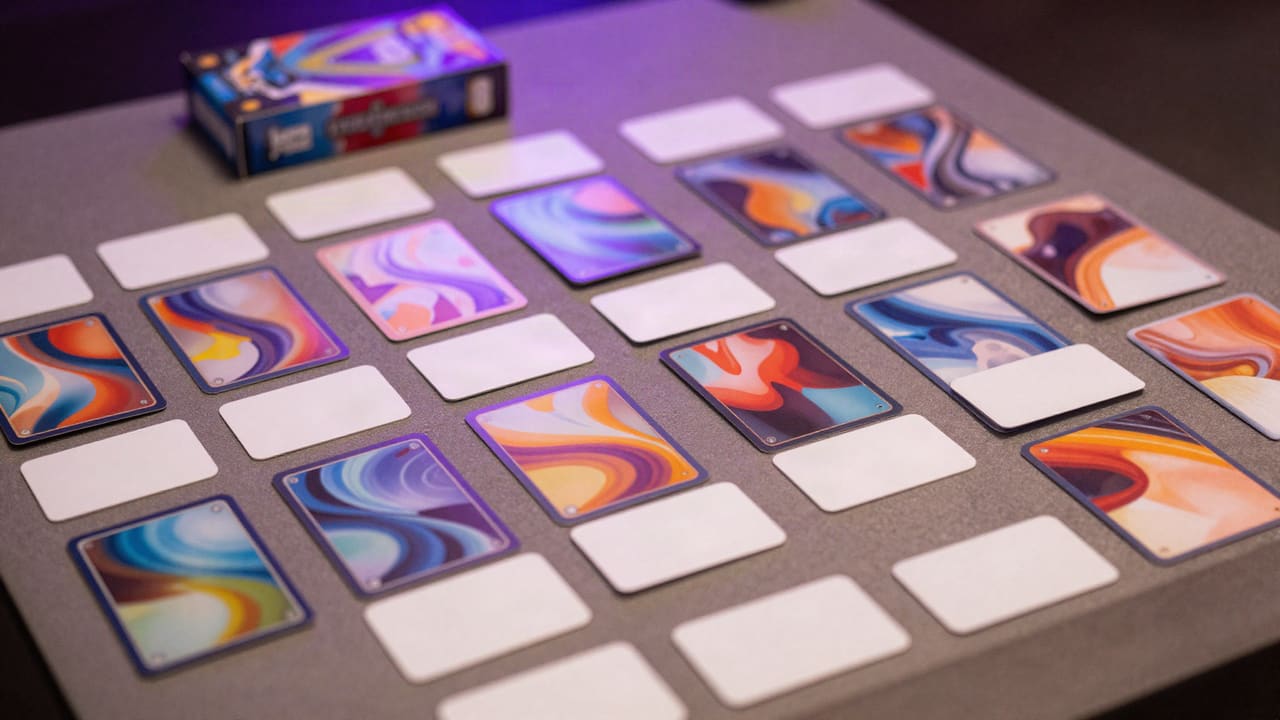
Each spot is a category, and the buyer gets every card in it. In sports cards this is usually a team. In TCG breaks it can be a card type or a group of cards.
- Good for: buyers who collect one thing.
- Watch out for: categories are rarely equal in value, so prices often differ per spot.
Which format to start with
Pack spots. They are easy to explain, easy to run and hard to get wrong. Once your viewers know your breaks, try pick-your-pack or hit drafts for special boxes. To decide how big to make a break, see how many spots a break should have, and the box break tracker for showing it on stream.